
2026-09-22 Voith at InnoTrans: Without a strong rail system, there can be no competitive Europe
- Rail freight transport is critical infrastructure for Europe’s industry: It connects production sites and markets, secures supply chains, and strengthens Europe’s resilience and ability to act.
- For the past four years, transport volume in European rail freight has been declining. High costs and productivity shortcomings are putting pressure on the sector. Digitalization and automation are key levers for countering these challenges.
- With CargoFlex, Voith demonstrates how freight trains can be digitalized. The key now is to bring innovations to industrial application more quickly.
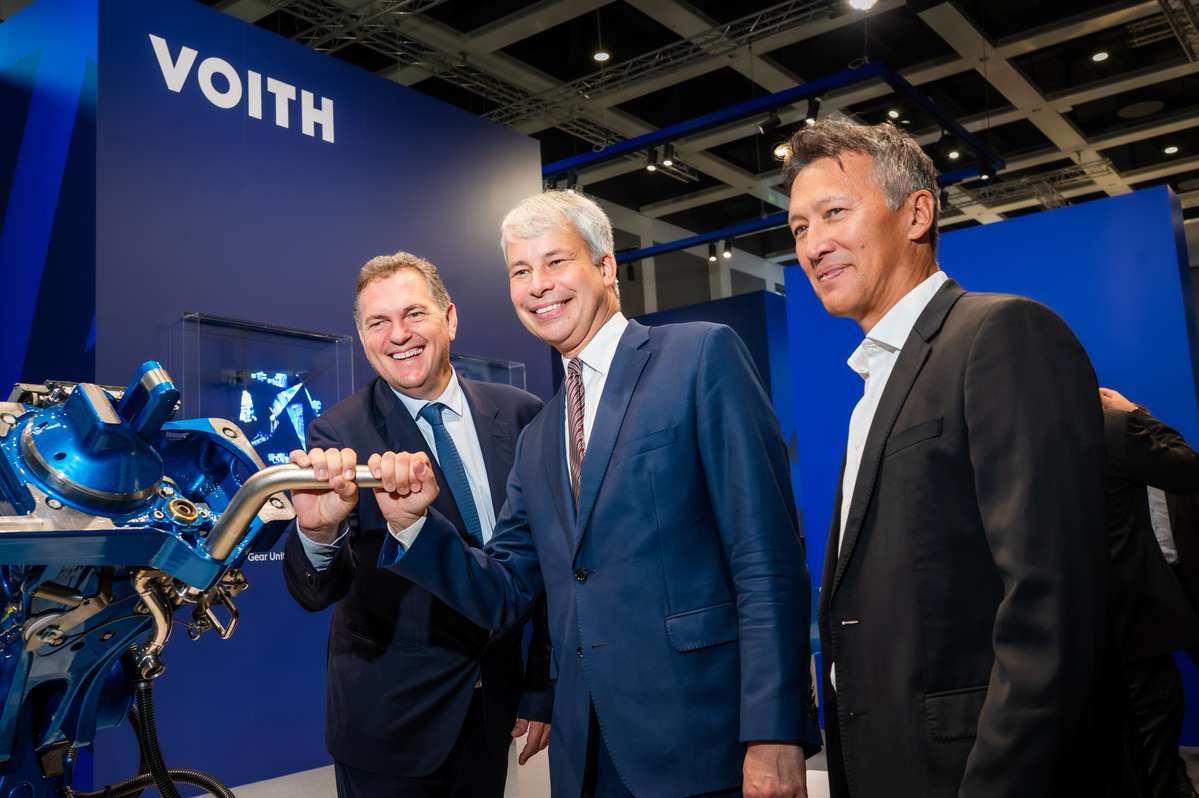
From left to right: Philippe Tabarot, Minister of Transport of France; Steffen Bilger, Germany’s Federal Minister of Transport; and Dirk Hoke, CEO of Voith Group, in front of Voith’s CargoFlex digital automatic coupler.
Berlin, Germany, September 22, 2026. Europe’s industry relies on an efficient rail freight system. In a changing geopolitical landscape, rail is also becoming increasingly important for Europe’s ability to respond in times of crisis.
According to Eurostat, rail freight transport volume in the EU fell by 1.8% in 2025 to 368 billion ton-kilometers, marking the fourth consecutive year of decline. In addition to the weak industrial economy, high costs and structural productivity disadvantages are weighing on the sector.

Florian Otto
Vice President, Head of Global Media Relations & Public Affairs
St. Pöltener Straße 43 89522 Heidenheim Germany
m +49 173 7509681
From manual coupling to digitally networked freight trains
In Europe, freight cars are still frequently coupled manually using screw couplers. Consequently, train formation and shunting processes are time-consuming and labor-intensive.
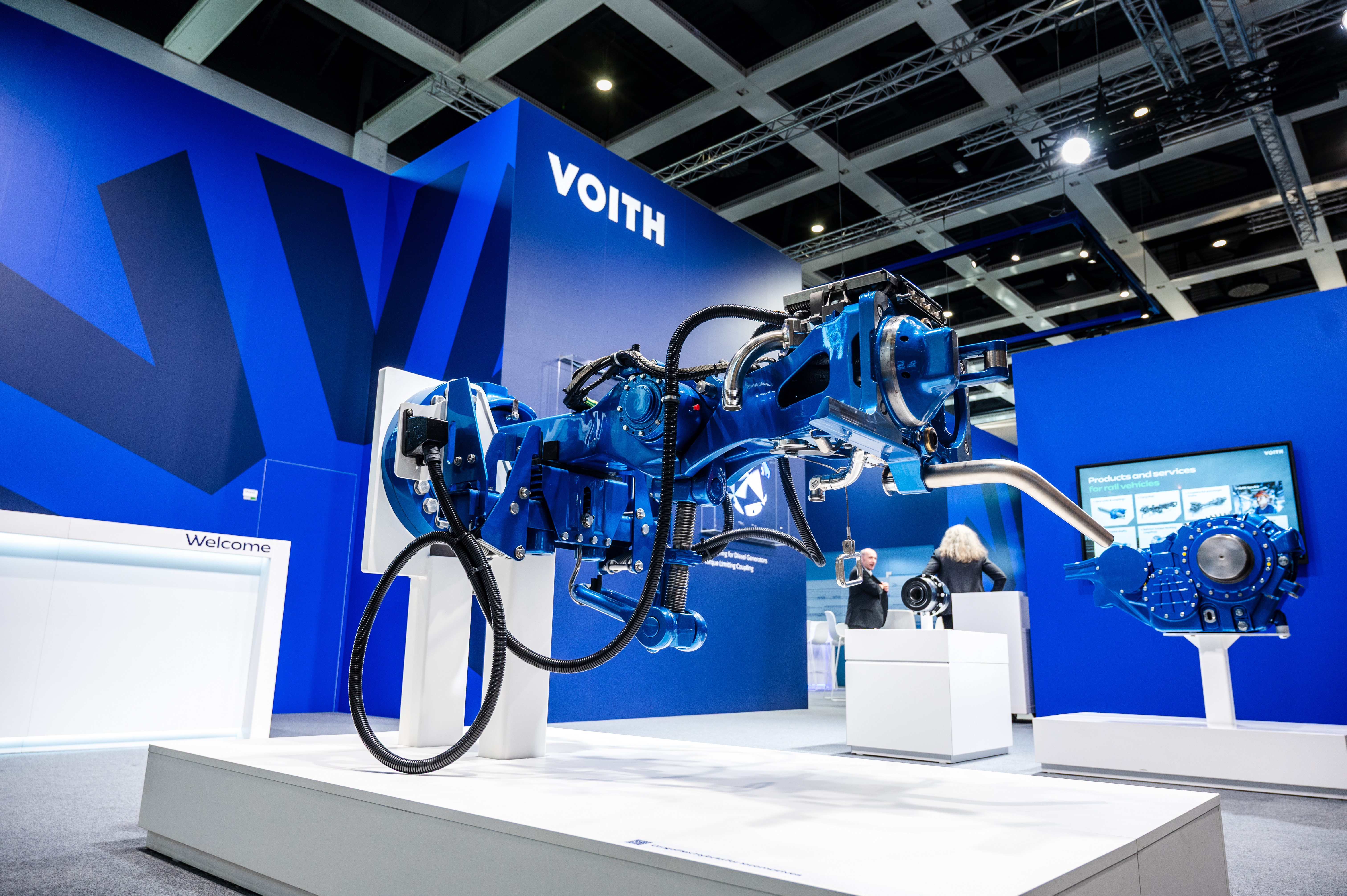
The Digital Automatic Coupler (DAC) is a key component in the digitalization of freight trains. With CargoFlex, Voith has developed a DAC solution that not only automates mechanical coupling but also establishes energy and data connections between the cars. This transforms the analog freight car into a digitally connected car and many connected cars into a smart freight train. Automated processes, from brake testing to condition monitoring, are thus made possible.
CargoFlex is already in use in commercial freight transport. The coupler has been successfully in regular operation in Switzerland since 2019 and thus has more than half a decade of practical experience in commercial rail freight transport. A total of 230 freight cars and 25 locomotives have been equipped with the system. This makes CargoFlex the only DAC solution with a multi-year, commercially proven track record in European rail freight transport.
Now it’s all about scaling up
The technological development of the DAC is well advanced. For Europe-wide migration, approximately 900,000 couplers for freight cars and about 46,000 couplers for roughly 23,000 locomotives must be retrofitted. Technical integration is particularly challenging when it comes to locomotives. This requires interoperability, a reliable migration path, and investment security.
With the funding program for DAC pioneer trains launched in September, the Federal Ministry of Transport of Germany has initiated the next phase of testing. The pioneer trains are intended to test the interaction between couplers and digital train functions under real-world operating conditions, thereby enabling an important step toward Europe-wide migration.
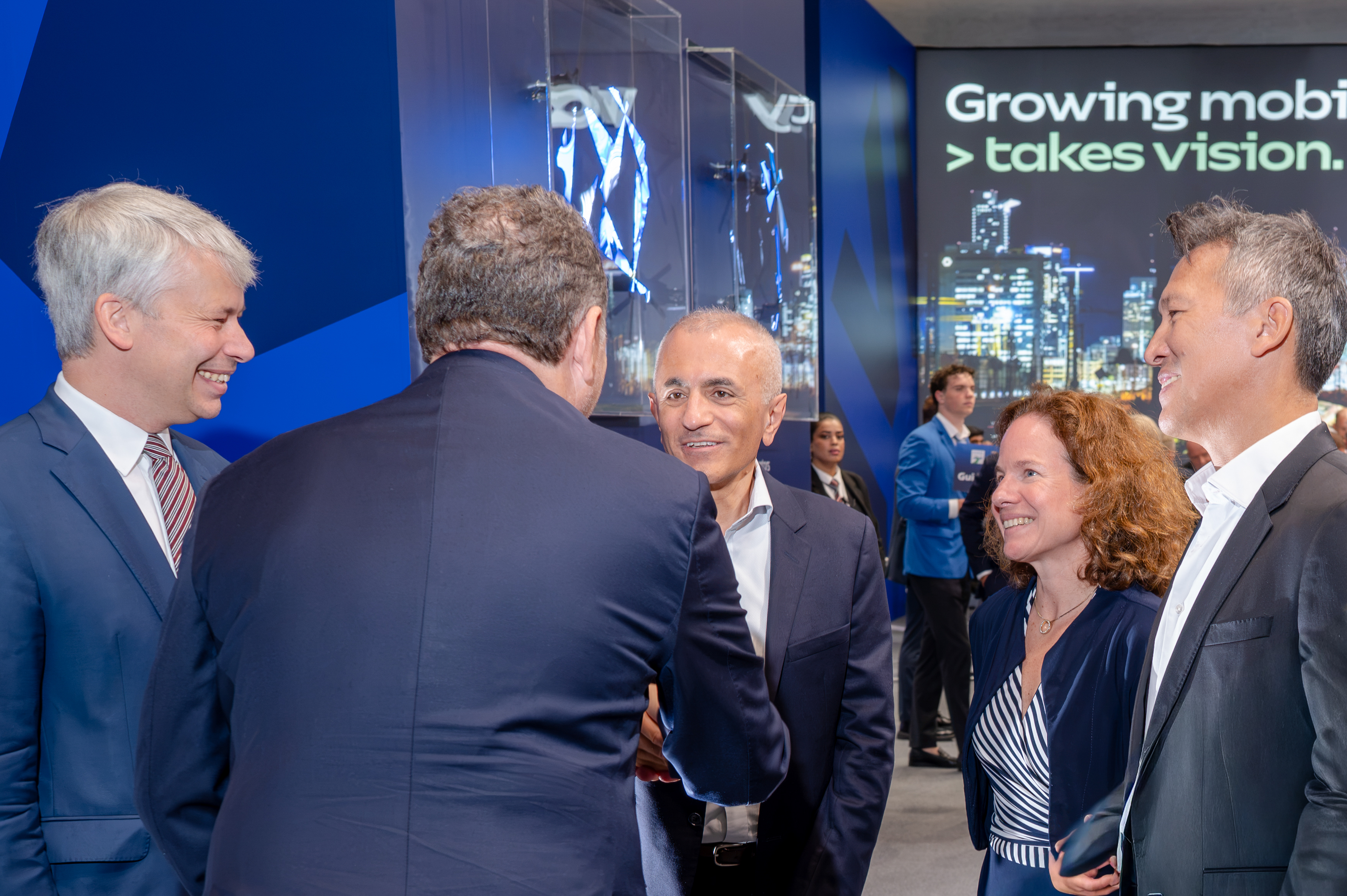
As part of the InnoTrans opening ceremony, Germany’s Federal Minister of Transport Steffen Bilger and Apostolos Tzitzikostas, EU Commissioner for Sustainable Transport and Tourism, visited the Voith booth. The discussion focused on the digitalization of rail freight transport and the conditions necessary for successful Europe-wide scaling.
About the company
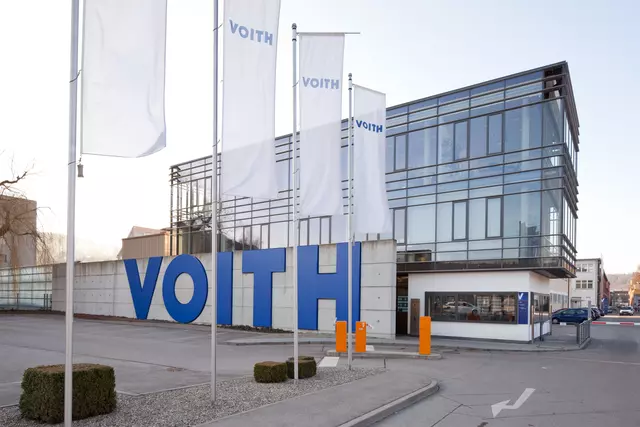
The Voith Group is a global technology company. With its broad portfolio of systems, products, services and digital applications, Voith sets standards in the markets of energy, paper, raw materials and transport. Founded in 1867, Voith today has around 21,000 employees, sales of € 4.8 billion and locations in over 60 countries worldwide and thus is one of the larger family-owned companies in Europe.
read more